


%201.svg)
%201.svg)
%201.svg)
%201.svg)


Bone Health During Perimenopause: Protecting Your Strength for the Years Ahead
The menopausal transition is more than hot flushes, changing periods and mood; it is also an important time to think about bone health.
As ovarian function changes through perimenopause, oestrogen levels fluctuate and eventually decline, increasing bone turnover and accelerating bone loss.
Research from the Study of Women’s Health Across the Nation (SWAN) found the most rapid bone loss occurs from approximately one year before to two years after the final menstrual period. Across the 10 years spanning menopause, average bone mineral density declined by approximately 10.6% at the lumbar spine and 9.1%at the femoral neck.
This makes midlife an important opportunity to identify risk factors and establish habits that help protect bone and muscle for the decades ahead.
Strong bones need more than calcium
Bone is living tissue that is continually being broken down and rebuilt. Supporting this process requires good nutrition alongside regular physical activity.
Calcium provides a major structural component of bone, while vitamin D supports calcium absorption and muscle function. Protein helps maintain the collagen-rich structure of bone and the muscle mass and strength that protect against falls.
Other nutrients, including magnesium, vitamin K2 and zinc are involved in bone formation and mineral metabolism. However, evidence for supplementation varies between nutrients, so supplementation should be individualised. A food-first approach providing adequate calcium, protein and micronutrients remains an important foundation for bone health.
What can nutrition achieve?
A large Australian randomised controlled trial involving more than 7,000 older adults in residential care demonstrated the potential impact of improving nutrition.
During the two year study, participants were provided additional cheese, milk and yoghurt which increased intake by approximately 562 mg calcium and 12 g protein per day and was associated with:
- 33% fewer fractures
- 46% fewer hip fractures
- 11% fewer falls.
Participants had an average age of 86 years, so these results cannot be directly applied to women in perimenopause. However, the study demonstrates the importance of adequate calcium and protein intake for musculoskeletal health, particularly when dietary intake is inadequate.
Movement really does matter
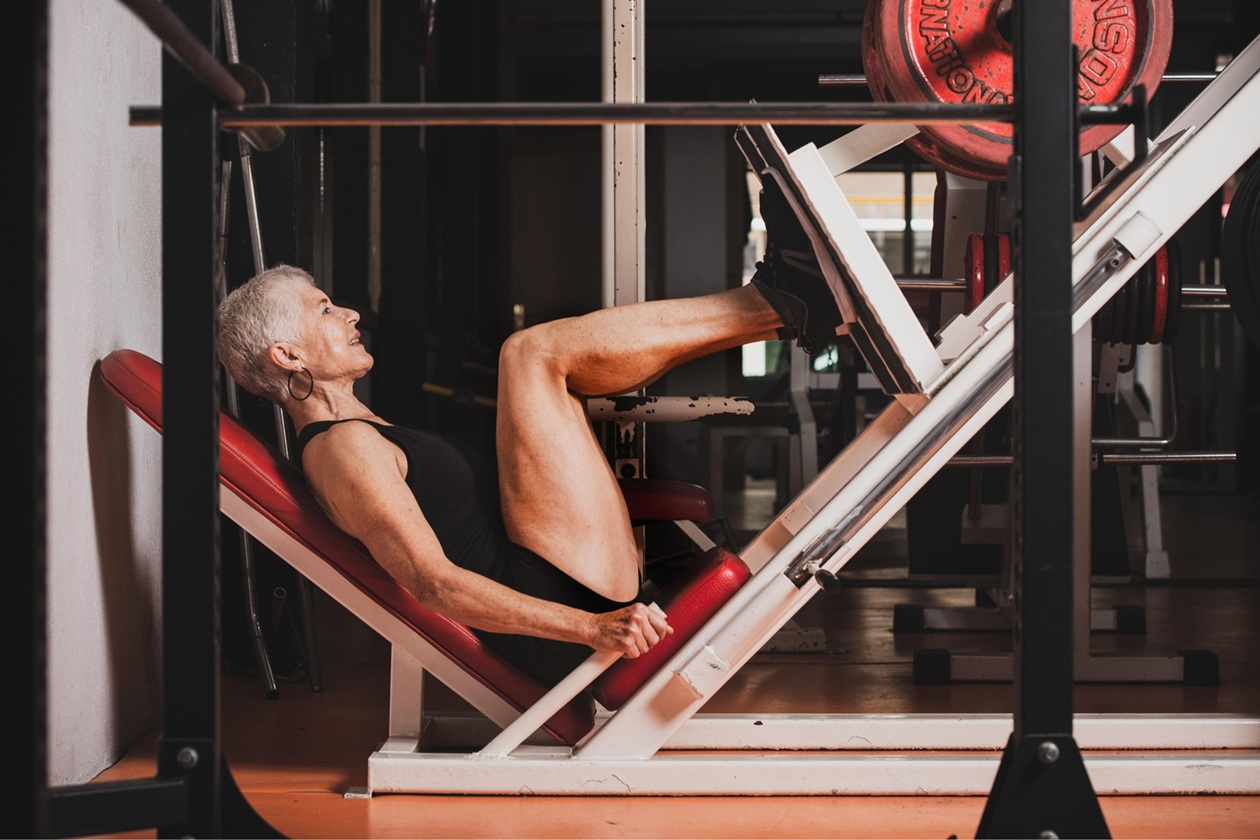
Bones respond to mechanical loading. Weight-bearing activity, progressive resistance training and appropriately prescribed impact exercise provide an important stimulus for bone while improving muscle strength, balance and physical function.
In the LIFTMOR randomised controlled trial, eight months of twice-weekly, 30 minute, supervised high-intensity resistance and impact training improved lumbar-spine bone mineral density and physical function in postmenopausal women with low bone mass.
Exercise should be individualised and those with osteoporosis or previous fragility fractures may benefit from professional exercise guidance. At the Subiaco Naturopathic Clinic, we work with physiotherapists and exercise physiologists to assist our patients requiring individualised support.
Know your personal risk factors
Factors that can increase osteoporosis and fracture risk include early or premature menopause, family history of osteoporosis or hip fracture, low body weight, smoking, higher alcohol intake, inadequate calcium or vitamin D, coeliac disease or other malabsorption disorders, hyperparathyroidism and prolonged glucocorticoid use.
Our Naturopathic clinicians take the time to identify potential risks and determine whether further investigation or intervention is appropriate.
A personalised approach to bone health
During anaturopathic consultation, yourbone health assessment may include reviewing:
- osteoporosis and fracture risk factors
- calcium, protein and overall nutrient intake
- vitamin D status
- digestive and absorptive health
- physical activity and resistance exercise
- menstrual and menopausal history
- bone mineral density scans and blood tests
- medications and conditions affecting bone health.
Where clinically indicated, further assessment, such as blood tests or a bone mineral density scan (DXA), may also be discussed.
Perimenopause is an opportunity to act
You do not need to wait until osteoporosis develops before thinking about your bones.
Changes in bone turnover and bone mineral density begin during the menopausal transition, making perimenopause an important time to assess your risk and build the foundations for long-term bone health.
If you are approaching menopause, have osteopenia, experienced early menopause or have other osteoporosis risk factors, consider booking a Naturopathic consult for a comprehensive and personalised approach to support your bone, joint and muscle health for vitality and strength across the life span.
Yours inhealth,
Natalie Elliott
BHsc AdvDipNat GCterAdEd MNHAA
References
Greendale GA, et al. Bone mineral density loss inrelation to the final menstrual period in a multiethnic cohort: results fromthe Study of Women’s Health Across the Nation (SWAN). J Bone Miner Res.2012;27(1):111–118. doi:10.1002/jbmr.534.
Shieh A, et al. Estradiol and follicle-stimulatinghormone as predictors of onset of menopause transition-related bone loss inpre- and perimenopausal women. J Bone Miner Res. 2019. doi:10.1002/jbmr.3856.
Shieh A, et al. Anti-Müllerian hormone and collagentype I C-telopeptide predict fast, imminent bone loss in early perimenopause:SWAN. J Clin Endocrinol Metab. 2026;111(6):e1653–e1661.
Zhou M et al. Efficacy and safety of vitamin K2 forpostmenopausal women with osteoporosis at a long-term follow-up: meta-analysisand systematic review. J Bone Miner Metab. 2022 Sep;40(5):763-772. doi:10.1007/s00774-022-01342-6. Epub 2022 Jun 16. PMID: 35711002.
Iuliano S, et al. Effect of dietary sources ofcalcium and protein on hip fractures and falls in older adults in residentialcare: cluster randomised controlled trial. BMJ. 2021;375:n2364.doi:10.1136/bmj.n2364.
Watson SL, et al. High-intensity resistance andimpact training improves bone mineral density and physical function inpostmenopausal women with osteopenia and osteoporosis: the LIFTMOR randomisedcontrolled trial. J Bone Miner Res. 2018.
RACGP. Osteoporosis Risk Assessment, Diagnosis andManagement. Healthy Bones Australia. 2026. https://www.racgp.org.au/clinical-resources/clinical-guidelines/key-racgp-guidelines/view-all-racgp-guidelines/osteoporosis/osteoporosis-risk-assess-diagnosis-and-management.Viewed 11th August 2026.
Want to get in touch? Click here for our contact page.
.svg)






.svg)
.svg)


Lorem ipsum dolor sit amet, consectetur adipiscing elit. Suspendisse varius enim in eros elementum tristique. Duis cursus, mi quis viverra ornare, eros dolor interdum nulla, ut commodo diam libero vitae erat. Aenean faucibus nibh et justo cursus id rutrum lorem imperdiet. Nunc ut sem vitae risus tristique posuere.